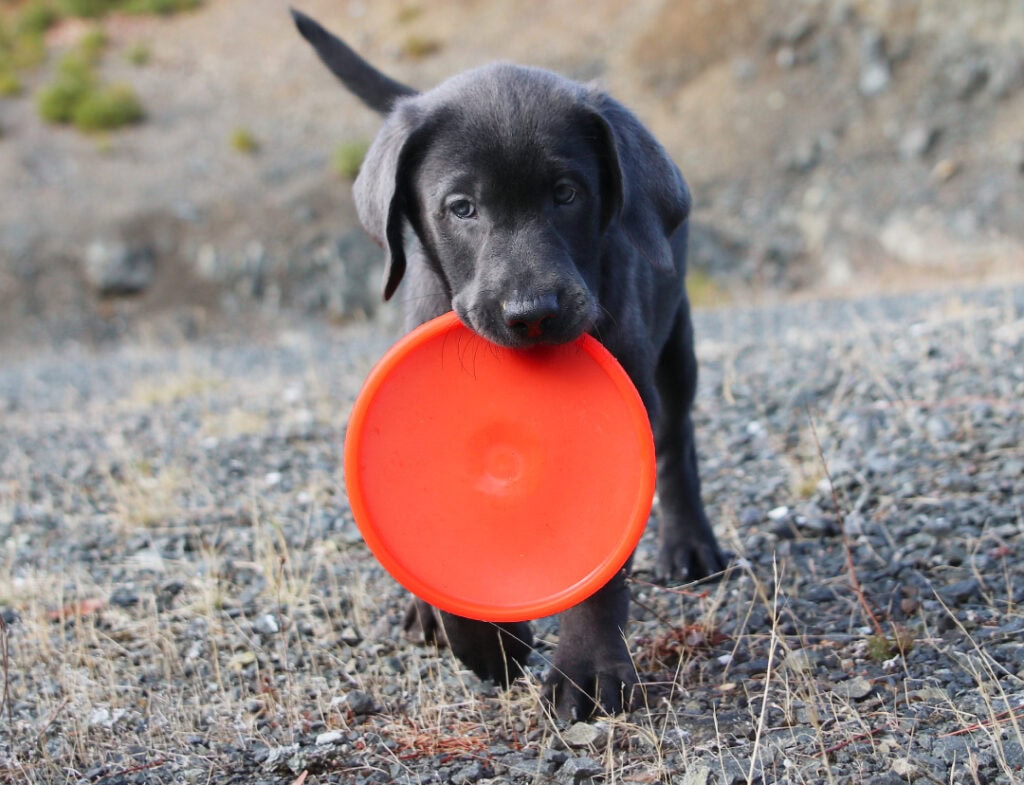
Dogs are wonderful companions, but their behaviors can sometimes puzzle or even frustrate their owners. Understanding why dogs act the way they do—and knowing how to address common behavioral issues—can strengthen your bond and create a happier home for both you and your furry friend. Here’s a guide to some typical dog behaviors and practical strategies for managing them.
1. Barking
Why it happens: Dogs bark to communicate—whether it’s excitement, warning, boredom, or seeking attention.
How to address: First, identify the trigger. If it’s boredom, provide more stimulation with toys or walks. For attention-seeking barks, avoid giving in immediately and reinforce quiet behavior with treats. Consistency is key.
2. Chewing
Why it happens: Chewing is natural, especially for puppies or dogs left alone for long periods. It can also be a way to relieve stress or boredom.
How to address: Offer plenty of appropriate chew toys. If your dog chews on inappropriate items, redirect them and praise when they use the correct toy. Make sure your home is dog-proofed to avoid accidents.
3. Jumping Up
Why it happens: Dogs often jump to greet people or to seek attention.
How to address: Ignore your dog when they jump up and only give attention when all four paws are on the floor. Consistently rewarding calm greetings helps reinforce the right behavior.
4. Digging
Why it happens: Some breeds have a natural instinct to dig, while others may dig out of boredom or anxiety.
How to address: Provide a designated digging area, especially for breeds that love to dig. Increase exercise and mental stimulation. If digging is due to anxiety, try to identify and address the underlying cause.
5. Pulling on the Leash
Why it happens: Dogs are excited to explore and may not understand leash manners.
How to address: Use positive reinforcement to reward walking calmly by your side. Stop walking when your dog pulls, and resume once the leash is slack. Training tools like no-pull harnesses can also help.
Conclusion
Understanding your dog’s behaviors is the first step in addressing them. Patience, consistency, and positive reinforcement are essential tools for shaping your dog’s actions. If behavioral issues persist or worsen, consider consulting a professional dog trainer or veterinarian. With the right approach, you and your dog can enjoy a harmonious relationship built on trust and understanding.